
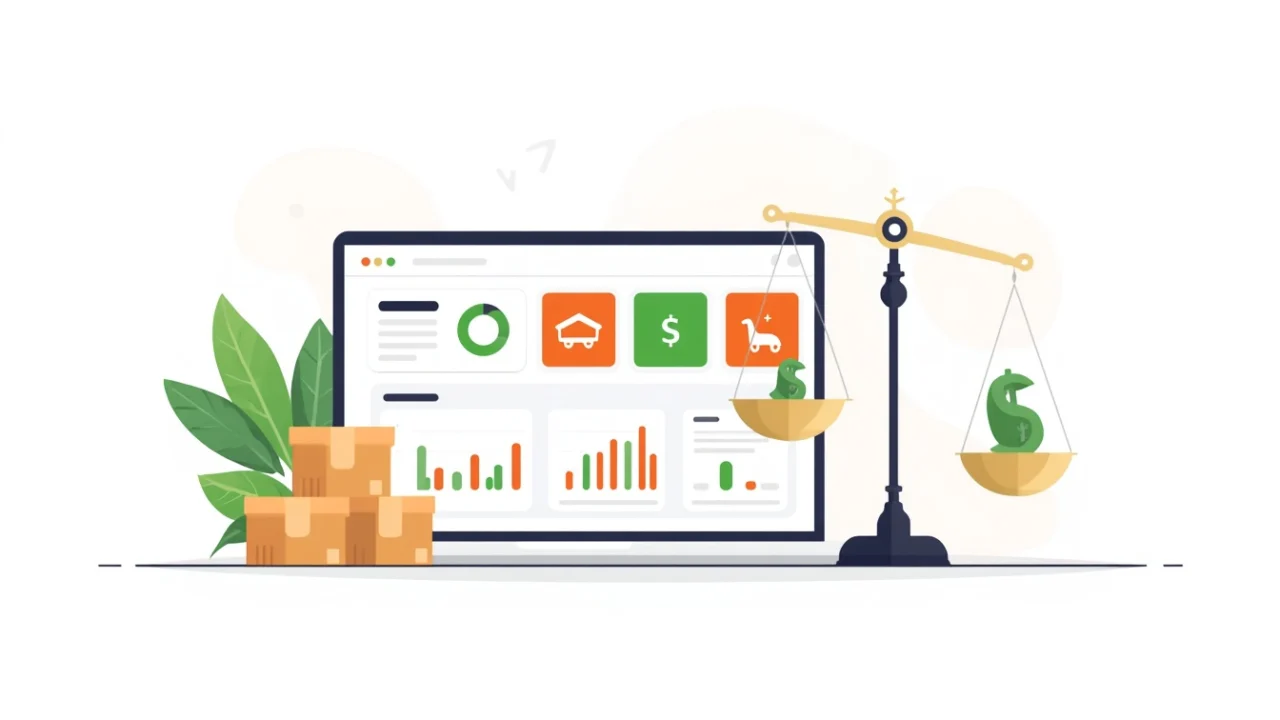
Is Dropshipping Still Profitable?
Every year someone declares dropshipping dead, and every year new stores still make sales. So is dropshipping still profitable? Yes, it can be, but not in the way social media ads promised a few years ago. Margins are thinner, ads cost more and customers expect faster shipping. This article gives you seven honest truths and a practical plan if you still want to try.
Key Takeaways
· Dropshipping can still be profitable, but margins are thinner than before.
· Fast shipping and niche branding matter more than cheap products.
· Validate products with small tests before spending heavily on ads.
What Is Dropshipping?
Dropshipping is a retail model where you sell products online without holding inventory. When a customer orders from your store, you buy the item from a supplier who ships it directly to the customer. Your profit is the difference between your selling price and your total costs.
Truth 1: Profit Is What Remains After Everything
Many beginners calculate profit as “selling price minus product cost.” Real profit looks like this:
Profit = Selling price – product cost – shipping – payment fees – platform fees – ad cost per sale – refunds
For example, a product selling for $39.99 with a $12 product cost and $5 shipping looks like a $23 profit. After payment processing (around 3%), app costs and $15 in ad spend per sale, the real profit might be closer to $6–$7. That is still a business, but only if you control ad costs.
Truth 2: Paid Ads Are More Expensive Than Before
Meta and TikTok ad costs have risen as more brands compete for attention. The “test 20 products with $50 each” strategy burns money fast. Profitable stores today usually rely on strong creative content (often UGC-style videos), organic social media and email marketing to reduce ad dependence.
Truth 3: Shipping Speed Decides Your Reviews
US customers are used to fast delivery from Amazon and Walmart. Shipping that takes three weeks leads to refund requests, chargebacks and bad reviews. The stores that survive usually use suppliers with US or EU warehouses. Our Shopify dropshipping for beginners guide covers how to find US-based suppliers.
Truth 4: Generic Stores Struggle, Niche Brands Win
A store that sells phone cases, dog toys and kitchen gadgets at once looks untrustworthy. Profitable dropshippers focus on one niche and build a brand around it, such as products for new pet owners, home office setups or outdoor camping. A focused brand builds repeat customers, which lowers your cost to make each sale.
Truth 5: Customer Service Is Your Job
Even without inventory, you are the seller. The FTC’s Mail, Internet or Telephone Order Merchandise Rule requires US sellers to ship within the time they state (or within 30 days if no time is stated) and to notify customers about delays. Clear policies and fast replies protect your store.
Truth 6: Payment Processors Watch Your Store
Stripe, PayPal and Shopify Payments monitor chargebacks and refund rates. Long shipping times and poor-quality products lead to disputes, frozen payouts and even account closures. Quality control is not optional.
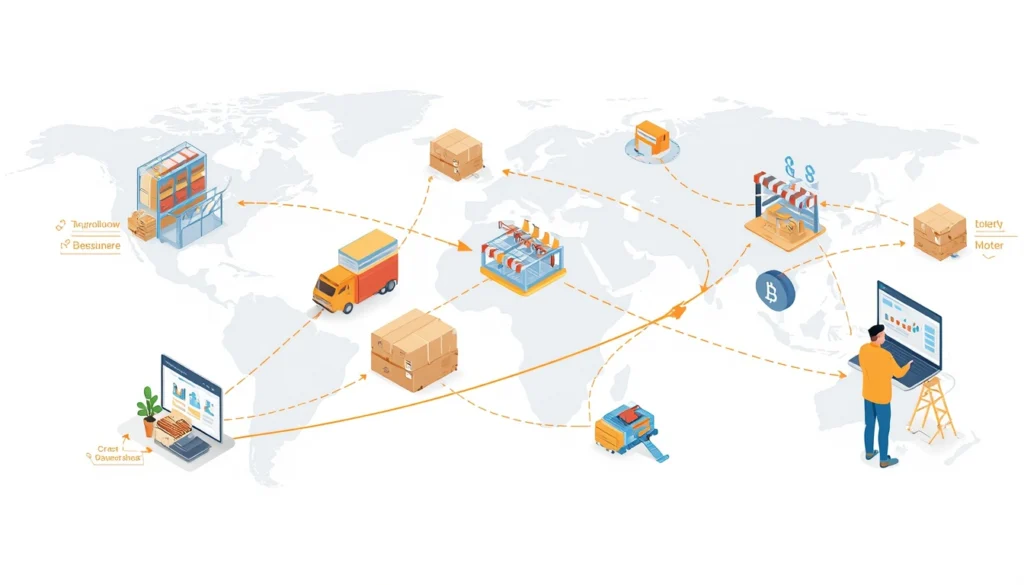
Truth 7: Alternatives Can Be More Profitable for Beginners
If you want e-commerce with lower risk, consider:
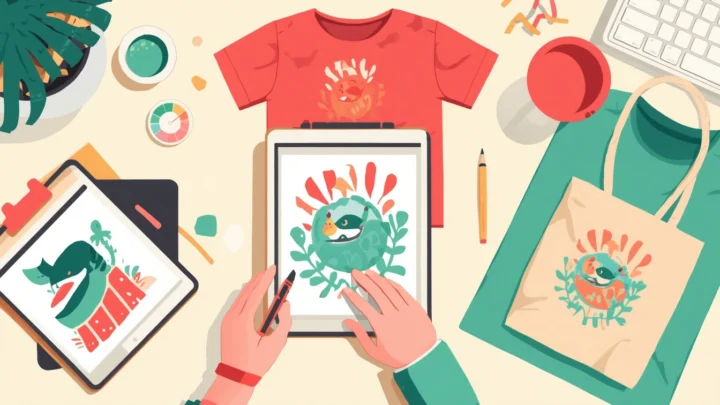
· Print on demand: custom designs printed and shipped for you. See our print on demand for beginners guide.
· Digital products: templates and planners with near-100% margins. Read how to sell digital products.
· TikTok Shop: built-in audience and checkout.
A Smart 6-Step Plan If You Still Want to Dropship
1. Pick a niche with passionate buyers (hobbies, pets, home improvement).
2. Find suppliers with fast shipping and order samples to check quality yourself.
3. Build a simple, trustworthy store with clear shipping, returns and contact pages. Shopify is the most common platform.
4. Price for profit, aiming for a gross margin that leaves room for ads and refunds.
5. Start with organic content on TikTok, Instagram Reels and Pinterest before spending heavily on ads.
6. Collect emails from day one to sell to existing visitors without paying for ads again.
Startup Costs to Expect
A lean dropshipping test usually includes a platform subscription, a domain, sample orders and an ad testing budget. Many beginners spend a few hundred dollars before finding a winning product. Treat this money as tuition and set a clear budget limit before you start.
Who Should Not Start Dropshipping
· Anyone who needs guaranteed income next month
· People who cannot handle customer complaints
· Anyone planning to borrow money for ad spend
Real Cost Breakdown for One Sale
Here is an example of how a single $34.99 order might break down for a US-focused store. These numbers are illustrative, not a promise:
· Product cost from supplier: $9.50
· Shipping to customer: $4.50
· Payment processing (about 3% + small fixed fee): around $1.35
· Apps and platform costs (spread per order): about $1.00
· Ad cost to acquire the customer: $12.00
· Refund and chargeback allowance: about $1.00
Estimated profit: roughly $5.60 per order.
Now imagine that same customer buys again from an email campaign with zero ad cost. The profit on the second order jumps to about $17. This is why successful dropshippers focus on repeat buyers, email lists and product bundles that raise the average order value.
How to Validate a Product Before Spending on Ads
7. Check search demand using Google Trends and Amazon reviews to see if people want it all year.
8. Look at competition on TikTok, Amazon and Meta Ad Library to see how many stores already sell it.
9. Order a sample to test quality, packaging and delivery time yourself.
10. Create organic content first (short videos showing the product solving a problem) and measure engagement.
11. Set a kill rule, for example: if a product gets no sales after a fixed test budget, stop and move on.
Validation protects your budget and keeps you from chasing every “winning product” video you see online.
Quick Recap
· Dropshipping can still be profitable, but margins are thinner than a few years ago.
· Calculate real profit after ads, fees, shipping and refunds, not just product markup.
· Fast shipping and quality products protect your reviews and payment accounts.
· Niche brands with repeat customers beat generic “everything” stores.
· Organic content and email marketing lower your dependence on expensive ads.
· Print on demand and digital products are lower-risk alternatives for beginners.
If you decide to start, set a strict test budget, validate products carefully and treat your store as a real brand from day one.
Frequently Asked Questions
Is dropshipping still profitable in 2026?
It can be, especially for niche brands with fast shipping and strong content. Generic stores relying only on paid ads often struggle with thin margins.
What is a good profit margin for dropshipping?
Many store owners aim for a gross margin of 30% or more before ad costs, so there is room left for advertising, fees and refunds.
How much money do I need to start dropshipping?
A small test can start with a few hundred dollars for the platform, samples and basic ads. Set a firm budget limit.
Is dropshipping legal in the USA?
Yes. You must follow consumer protection rules, honest advertising laws and shipping time rules, and pay taxes on your profits.
What is better than dropshipping for beginners?
Print on demand and digital products carry lower risk and no inventory. Many beginners find them easier to profit from.
Can I dropship without paid ads?
Yes, through organic TikTok, Pinterest and SEO, but growth is usually slower.

1 comment