
How to Start a Podcast and Make Money:
Podcasting has grown into a major media format, with millions of people listening during commutes, workouts and chores. Many podcasters now earn from sponsors, listener support and video versions of their shows. This guide explains how to start a podcast and make money in 12 proven steps, from choosing a topic to landing your first sponsor.
Key Takeaways
· A focused topic makes a podcast easier to grow and monetize.
· Good audio matters more than expensive video gear.
· Income usually comes from sponsors, affiliates and listener support.
Is Podcasting Still Worth It in 2026?
Yes, especially for creators who pick a clear niche and stay consistent. Competition is high in broad topics like comedy or general news, but niche shows about specific industries, hobbies or communities can build loyal audiences. Video podcasts have also become important, with many listeners watching shows on YouTube.
Step 1: Choose a Focused Topic
Pick a topic you can talk about for 100+ episodes and that a specific audience cares about. Examples: freelancing for designers, personal finance for nurses, indie game development, gardening in small spaces or local business stories.
Step 2: Choose Your Format
· Solo show: easy to schedule, builds your personal brand
· Co-hosted show: natural conversation, shared workload
· Interview show: access to guest audiences and expertise
· Storytelling or narrative: more production work, highly engaging
Step 3: Get Basic Equipment
You do not need an expensive studio. A good USB microphone, headphones and a quiet room are enough to start. Add a webcam or smartphone if you want a video podcast. Soft furnishings like rugs and curtains reduce echo.
Step 4: Record and Edit
Use free or affordable software to record and edit. Remove long pauses, mistakes and background noise. Keep editing simple at first so you can publish consistently. See CapCut alternatives for video editing tools.
Step 5: Choose a Podcast Host
A podcast host stores your audio files and creates an RSS feed that distributes your show to directories. Popular options include free and paid hosts with analytics and monetization tools.
Step 6: Publish on Major Platforms
Submit your RSS feed to Apple Podcasts, Spotify and other directories. Upload video versions to YouTube, which has become a major podcast platform. YouTube explains podcast features in its podcasts on YouTube help page.
Step 7: Create Great Artwork and Titles
Your cover art should be clear and readable at small sizes. Episode titles should describe the value, such as “How to Get Your First Freelance Client in 30 Days” rather than “Episode 12.”
Step 8: Publish Consistently
Weekly or biweekly episodes help listeners build a habit. Batch-record several episodes ahead to stay consistent during busy weeks.
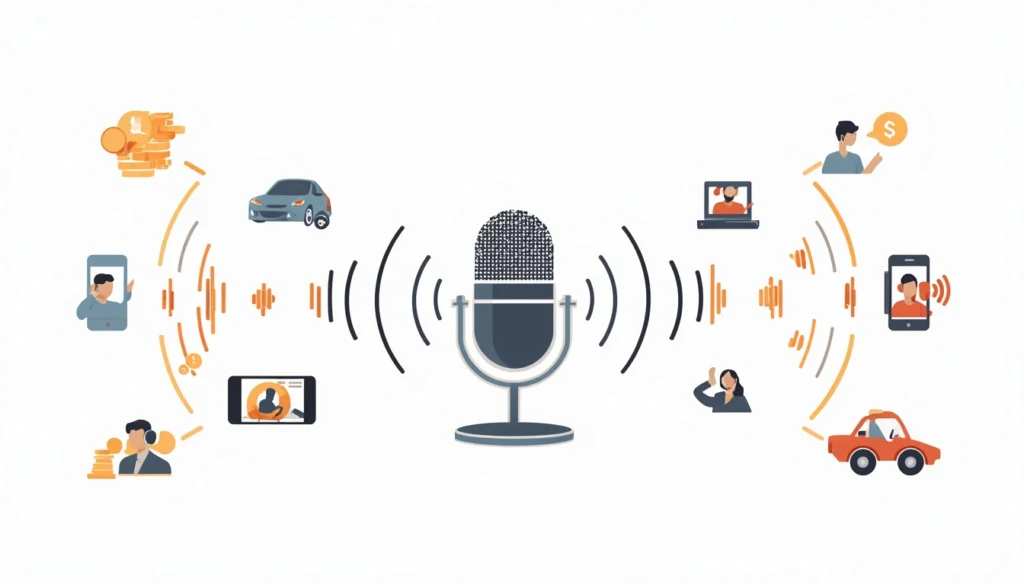
Step 9: Grow Your Audience
· Share short clips on TikTok, Reels and YouTube Shorts
· Appear as a guest on other podcasts
· Invite guests who will share episodes
· Build an email list for new episode alerts
· Ask listeners to rate and review
10 Ways Podcasts Make Money
Step 10: Choose Your Monetization Mix
1. Sponsorships: brands pay for host-read ads, often based on downloads.
2. Dynamic ads: hosting platforms insert ads automatically.
3. YouTube ad revenue: for video podcasts in the YouTube Partner Program.
4. Listener support: memberships, tips and premium episodes.
5. Affiliate marketing: recommend tools and products with links in show notes.
6. Digital products: guides, courses or templates.
7. Services and consulting: attract clients with your expertise.
8. Live events and workshops.
9. Merchandise.
10. Platform partner programs that pay creators in some regions.
Step 11: Pitch Sponsors
Create a simple media kit with downloads per episode, audience demographics and sponsorship options. Pitch brands that fit your audience. Many podcasters start with affiliate partnerships before fixed sponsorships. Read how to get sponsorships on YouTube, since the process is similar.
Step 12: Disclose Sponsorships
Clearly mention sponsored segments and affiliate links, following the FTC’s endorsement guidance.
Realistic Earnings
Most new podcasts earn little in the first year. Income grows with downloads, loyal listeners and niche value. A small podcast with a valuable niche audience, such as business owners, can earn more from sponsors and services than a larger general show.
Case Scenario: A Niche Business Podcast
A freelance marketer launches a weekly podcast interviewing small agency owners. Each episode is filmed for YouTube and cut into short clips. After a year, the show has a loyal audience of agency owners. The host earns from affiliate links to marketing tools, two small sponsors and several consulting clients who discovered them through the podcast.
Common Mistakes
· Choosing a topic that is too broad
· Inconsistent publishing
· Poor audio quality
· Long, unfocused intros
· Monetizing before building trust
Simple Episode Structure
A clear structure keeps listeners engaged:
11. Hook (30 seconds): tell listeners what they will learn.
12. Short intro: who you are and what the show is about.
13. Main content: three key points, stories or interview questions.
14. Sponsor or call to action: placed naturally mid-episode or at the end.
15. Summary and next steps: recap and invite listeners to subscribe.
Using the same structure every week makes production faster and builds listener habits.
Pro Tip
Record a short trailer episode before launch explaining who the show is for and what listeners will gain. Trailers help new listeners decide quickly and give sponsors a clear idea of your audience.
In Short
· Choose a focused niche and a format you can sustain.
· Start with simple equipment and consistent publishing.
· Publish on audio platforms and YouTube.
· Monetize through sponsors, affiliates, listener support and services.
· Disclose sponsorships and build trust first.
Frequently Asked Questions
How much does it cost to start a podcast?
You can start with a USB microphone, headphones and a free or low-cost host.
How many listeners do you need to make money?
There is no fixed number. Affiliates and services can earn early, while sponsors usually want steady downloads.
Should I start a video podcast?
Video podcasts on YouTube can help discovery, but audio-only shows can still succeed.
How long should podcast episodes be?
Long enough to deliver value without filler. Many shows run 20–60 minutes.
How do podcasters get paid by sponsors?
Sponsors often pay per episode or based on downloads, with host-read ads being popular.
Can I start a podcast anonymously?
Yes. Many podcasts use pseudonyms or focus on topics rather than personal identity.
Do I need a website for my podcast?
Not required, but a simple website helps with show notes, email signups and sponsor pages.
Should I publish my podcast on YouTube too?
Yes. Video podcasts on YouTube can reach new audiences and add ad revenue.



Comments