
Print on Demand for Beginners:
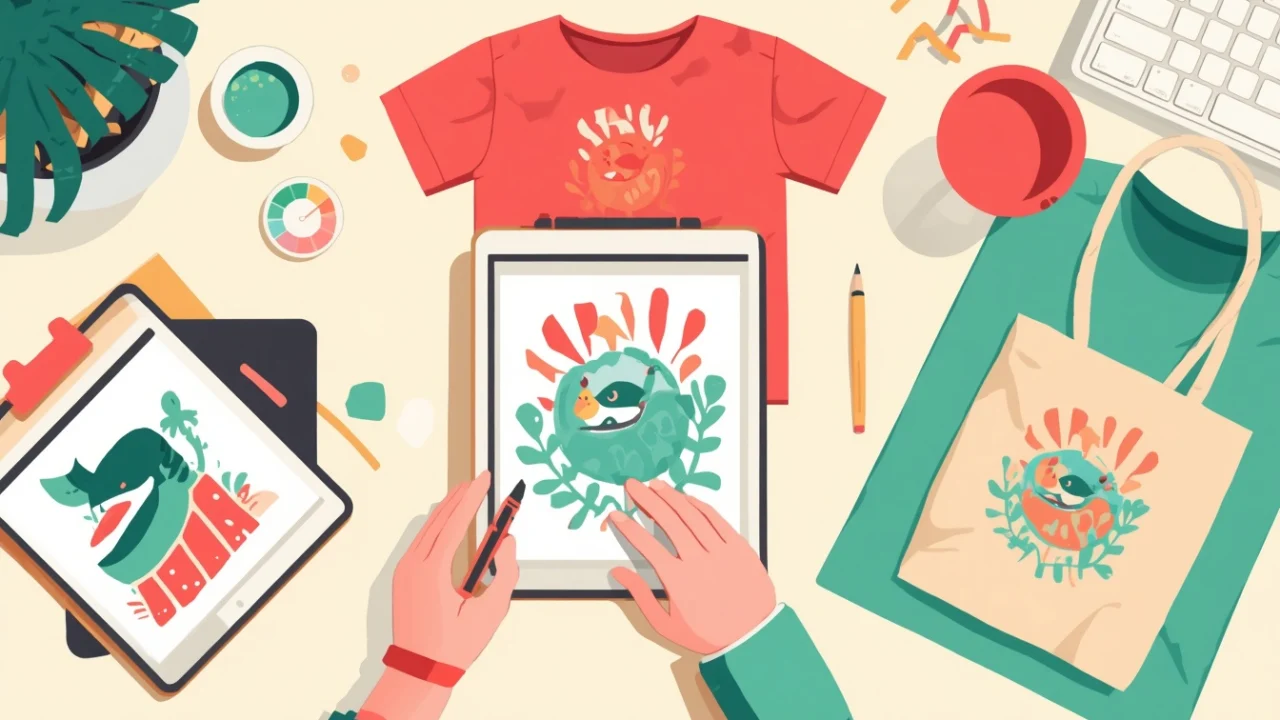
Print on demand (POD) lets you sell custom t-shirts, mugs, posters and more without buying inventory. When a customer orders, a print partner produces and ships the item for you. It is one of the most beginner-friendly e-commerce models. This guide to print on demand for beginners walks you through ten easy steps to launch your first POD store.
Key Takeaways
· POD lets you sell custom products without buying inventory.
· Original designs and a clear niche matter more than product variety.
· Order samples before selling to check print quality.
How Print on Demand Works
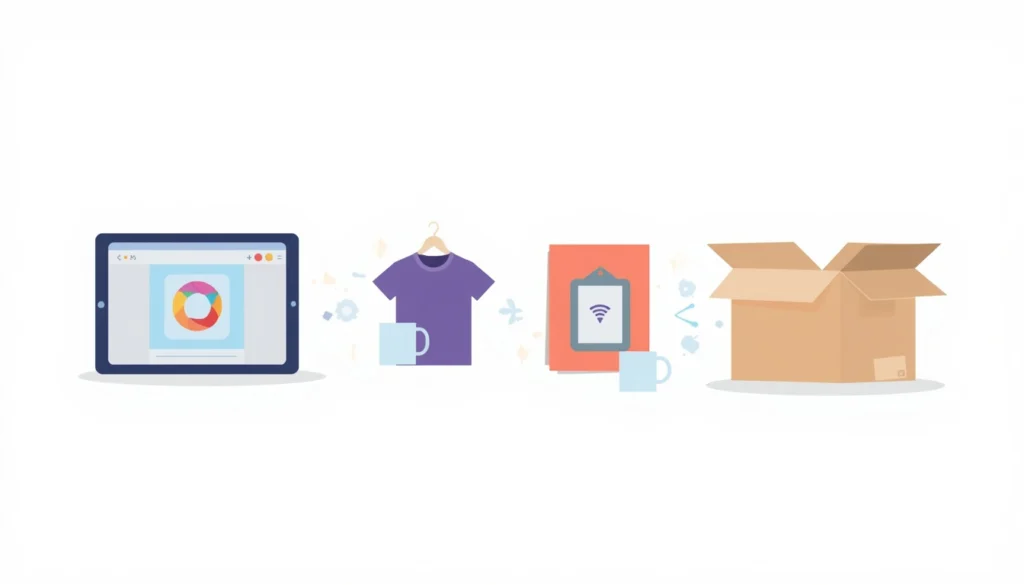
1. You create a design.
2. You upload it to a POD platform like Printful or Printify.
3. You list products on a sales channel such as Etsy, Shopify or TikTok Shop.
4. A customer orders.
5. The POD partner prints and ships the product.
6. You keep the difference between your selling price and the production cost.
No inventory, no upfront bulk orders and no shipping boxes in your home.
Step 1: Pick a Niche Audience
Successful POD stores usually target specific groups, such as nurses, teachers, dog lovers, gamers, fishermen or new parents. Niche designs connect emotionally and face less competition than generic designs.
Step 2: Research What Sells
Look at Etsy search suggestions, best-seller badges and reviews in your niche. Notice the styles, phrases and product types people buy. Use this as inspiration, not something to copy.
Step 3: Create Original Designs
You can design with Canva, Adobe Express, Photoshop or Procreate. Keep designs simple, readable and on-trend. If you cannot design, you can hire designers on freelance platforms, but make sure you receive commercial rights.
Step 4: Avoid Trademark and Copyright Issues
Never use brand names, logos, characters, sports teams or song lyrics without permission. Check phrases in the USPTO trademark search. Infringement can lead to listing removals and account suspensions.
Step 5: Choose a POD Platform
The two most popular platforms are Printful and Printify. Printful is known for consistent quality and branding options, while Printify offers lower base prices through many print providers. Read our Printful vs Printify comparison before choosing.
Step 6: Order Samples
Order samples of your best designs to check print quality, colors and fabric feel. Samples also give you real photos for your listings.
Step 7: Choose Where to Sell
· Etsy: built-in buyers searching for unique items, but you pay listing and transaction fees. See our Etsy fees guide.
· Shopify: your own brand and store, but you must bring your own traffic.
· TikTok Shop: built-in audience through short videos.
Our Shopify vs Etsy comparison helps you decide.
Step 8: Create Listings That Sell
A strong listing includes:
· A clear title with keywords buyers search for
· High-quality mockups and real photos
· Size charts and material details
· Honest shipping times
· Tags that match search terms
Step 9: Price for Profit
Add up the product cost, shipping, platform fees and payment processing. Many POD sellers aim for a profit of several dollars per item after all fees. Test different price points and bundles.
Step 10: Promote Your Products
· Pinterest pins linking to your listings
· Short videos showing designs and reactions
· Seasonal designs for holidays, back-to-school and special events
· Email lists for repeat buyers
How Much Can You Earn?
POD profits per item are smaller than with bulk inventory, so volume matters. Some sellers earn occasional sales, while dedicated sellers with hundreds of designs build steady income. Expect a learning period of several months.
Beginner Mistakes to Avoid
· Uploading generic designs with no target audience
· Ignoring fees when pricing
· Using copyrighted characters or brand names
· Giving up after a few weeks without sales
· Using only mockups without checking real product quality
Your First 30 Days Plan
Week 1: Research and setup
· Pick one niche audience.
· Create accounts on your chosen POD platform and sales channel.
· Study best-sellers in your niche for style ideas.
Week 2: Design
· Create 10–15 original designs.
· Check each design for trademark risks.
· Create mockups for each product.
Week 3: Launch
· Publish your first listings with strong titles, tags and descriptions.
· Order samples of your two favorite designs.
Week 4: Promote and learn
· Create Pinterest pins and short videos for each design.
· Review views and favorites to see which designs attract interest.
· Create variations of your most popular designs.
Seasonal Opportunities
POD sales often spike around holidays and events. Plan designs ahead for:
· Valentine’s Day, Mother’s Day and Father’s Day
· Back to school and graduation
· Halloween, Thanksgiving and Christmas
· Awareness months and local events
Upload seasonal designs four to eight weeks early so they can be indexed and found before the rush.
Product Types Beyond T-Shirts
Many beginners only sell shirts, but other products can stand out, such as mugs, tote bags, phone cases, stickers, posters, pillows and hoodies. Offering the same design on several products increases your chances of a sale without extra design work.
How to Write a Strong POD Listing Title
Include the audience, the product and the style. For example: “Funny Nurse Mug, Night Shift Nurse Gift, Coffee Mug for Nurses.” This matches how buyers search and helps your listing appear in more results.
The Bottom Line
· POD lets you sell custom products without inventory.
· Niche designs outperform generic ones.
· Printful and Printify are the most popular POD platforms.
· Etsy, Shopify and TikTok Shop are strong sales channels.
· Avoid trademark issues and always include fees in your pricing.
Frequently Asked Questions
Is print on demand good for beginners?
Yes. It needs no inventory and low startup costs, making it one of the easiest e-commerce models to start.
How much money do I need to start print on demand?
You can start with little money, mainly for samples, optional design tools and platform fees.
What sells best on print on demand?
Niche t-shirts, mugs, posters and tote bags with designs for specific hobbies, jobs or communities.
Do I need design skills for POD?
Not necessarily. Simple text designs sell well, and you can use Canva or hire designers with commercial rights.
Is print on demand still profitable in 2026?
Yes, for sellers with original, niche designs and smart pricing. Generic designs face heavy competition.
How long does it take to get the first POD sale?
It varies. Some sellers get a sale within days, while others need weeks of new listings and promotion. Consistently adding designs improves your chances.
Should I use Etsy ads for POD?
Etsy ads can help new listings get seen, but start with a small budget and track whether sales cover your ad costs.
Can I sell POD products without a website?
Yes. Marketplaces like Etsy and TikTok Shop let you sell without building your own website.
Can I use AI images for POD designs?
You can, but check the platform’s rules and avoid anything that copies trademarks or copyrighted art.

Comments