
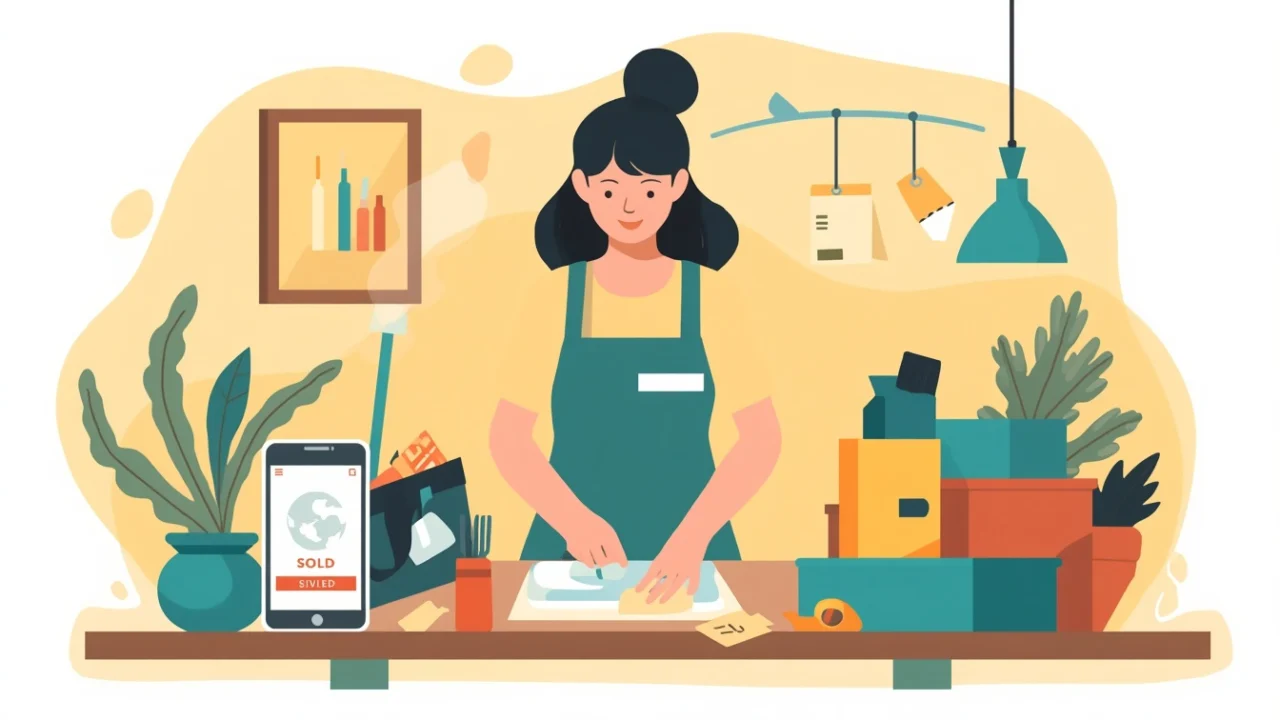
How to Flip Items for Profit:
Flipping means buying items at a low price and reselling them for more. It is one of the most practical side hustles because you can start with a small budget and items from thrift stores, garage sales or your own home. This guide explains how to flip items for profit in 12 smart steps.
Key Takeaways
· Start by selling unused items from your own home.
· Research sold listings before buying anything.
· Set a buying rule to protect your profit margin.
Step 1: Start With Your Own Home
Sell unused items you already own to learn listing, pricing and shipping without spending money. This builds your first budget for sourcing.
Step 2: Learn What Sells
Research categories with steady demand, such as electronics, sneakers, vintage clothing, video games, tools, furniture and collectibles. Read best things to sell on eBay.
Step 3: Use Sold Listings for Research
Search items on eBay and filter for sold listings. This shows real prices buyers paid. On Facebook Marketplace, watch how quickly similar items sell.
Step 4: Choose Your Sourcing Spots
· Thrift stores and charity shops
· Garage and yard sales
· Estate sales
· Facebook Marketplace and local listings
· Retail clearance sections
· Auctions and liquidation sales
Step 5: Set a Buying Rule
Many flippers aim to buy items they can resell for several times the cost. This leaves room for fees, shipping and your time.
Step 6: Inspect Items Carefully
Check for damage, missing parts and authenticity. Test electronics when possible. Avoid counterfeit products, which are illegal to sell and violate platform rules.
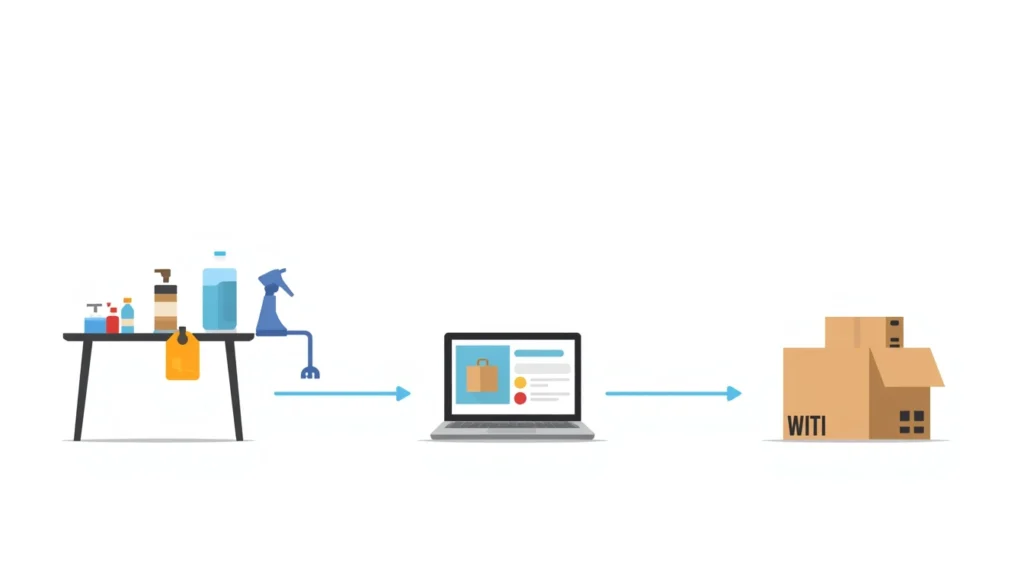
Step 7: Clean and Repair
Simple cleaning, polishing or minor repairs can significantly raise resale value.
Step 8: Take Great Photos
Use natural light, clean backgrounds and multiple angles. Show flaws honestly.
Step 9: Choose Where to Sell
· eBay: national reach, good for shippable items (see eBay fees calculator)
· Facebook Marketplace: local sales for furniture and bulky items (see Facebook Marketplace selling tips)
· Poshmark, Mercari and Depop: clothing and fashion
· Local consignment shops: for items you prefer not to ship
Step 10: Write Clear Listings
Include brand, model, size, condition, measurements and any flaws. Clear listings reduce questions and returns.
Step 11: Price Strategically
Price competitively based on sold listings, leaving room for offers. Include platform fees and shipping costs.
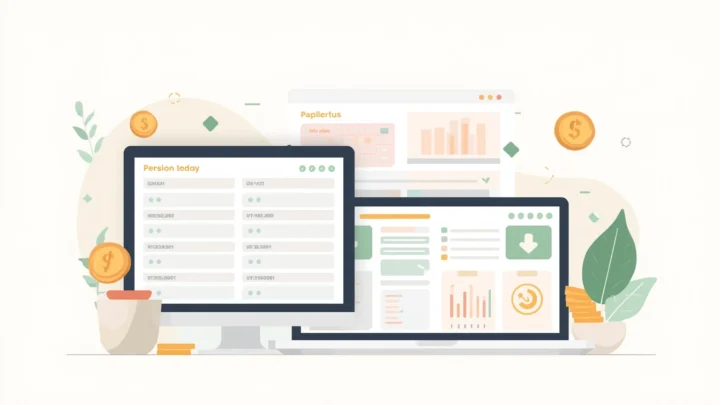
Step 12: Track Profit
Record purchase price, fees, shipping and sale price for every item. Tracking shows which categories are most profitable.
Safety Tips for Local Sales
· Meet in public places, such as designated safe exchange zones
· Bring a friend for large items
· Use secure payment methods
· Avoid overpayment and fake check scams
The FTC’s guidance on fake check scams explains common tricks.
Taxes
Profits from reselling are taxable income. Selling personal items at a loss usually is not. Keep records. Platforms may issue tax forms when reporting thresholds are met.
Example in Practice: A Weekend Flipper
A student visits thrift stores on Saturdays with a small budget. They buy a vintage jacket, a used camera lens and a set of video games after checking sold prices. After cleaning and listing them on eBay, the items sell within two weeks for several times the purchase cost.
Common Mistakes
· Buying items without checking sold prices
· Ignoring fees and shipping costs
· Hoarding too much inventory
· Poor photos and vague descriptions
· Selling counterfeit or recalled items
Quick Checklist
· Sold listings checked before buying
· Buying rule set (target resale multiple)
· Items cleaned, tested and photographed
· Platform chosen for each item
· Profit tracked in a spreadsheet
Best Categories for Beginners
If you are unsure where to start, these categories are beginner-friendly:
· Clothing and shoes: easy to find, easy to ship
· Video games and consoles: easy to research prices
· Small electronics: high demand, but test carefully
· Books and textbooks: easy to source at sales
· Home decor: good for local sales
· Tools: steady demand from DIYers
Pick one or two categories and learn them deeply before expanding.
Building a Sourcing Routine
Consistency matters. Many flippers visit the same thrift stores weekly, check local listings daily and attend weekend garage sales. Over time, you learn which spots have the best finds and prices.
Scaling Your Flipping Business
Once flipping becomes consistent, consider organizing inventory with labels, using spreadsheets to track stock and listing items in batches. Some resellers eventually move into buying pallets or bulk lots, but this carries more risk and requires experience.
Protecting Profit
Keep sourcing costs low, avoid impulse buys and set a maximum you will pay for items in each category. Profit comes from smart buying more than high selling prices.
Tools That Help Flippers
· eBay app for quick sold-price checks
· Measuring tape and scale for listings
· Cleaning supplies and a lint roller
· Simple photo setup with a plain background
· Spreadsheet for tracking inventory and profit
Small tools save time and help you list faster.
Pro Tip
Set a weekly listing goal, such as ten new items. Unlisted inventory earns nothing, and a consistent listing habit is often the difference between hobby flippers and those who build steady income.
Tracking Your Flipping Profit
Many flippers think they are profitable until they track numbers. Record for every item:
· Purchase price and date
· Cleaning or repair costs
· Platform fees and shipping
· Sale price and date sold
· Time spent sourcing and listing
A simple spreadsheet shows which categories actually make money and which waste time.
The Bottom Line
· Flipping means buying low and reselling for profit.
· Research sold listings before buying.
· Clean, photograph and describe items honestly.
· Choose the right platform for each item.
· Track profit and stay safe in local sales.
Frequently Asked Questions
How much money do I need to start flipping?
You can start with items from your home and a small sourcing budget.
What items are easiest to flip?
Electronics, clothing, video games, tools and small furniture are popular starting categories.
Where is the best place to sell flipped items?
eBay for shippable items and Facebook Marketplace for local, bulky items.
Is flipping items legal?
Yes, as long as items are authentic, legal and not recalled.
How do I avoid scams when selling locally?
Meet in public, use secure payments and avoid overpayment offers.
Can flipping become a full-time business?
Some resellers grow it into full-time income with consistent sourcing and systems.
How do I know if an item is authentic?
Check labels, serial numbers, materials and compare with verified examples. When in doubt, skip it.
Is flipping taxable income?
Profits from reselling are generally taxable. Keep records and check your local tax rules.


Comments